
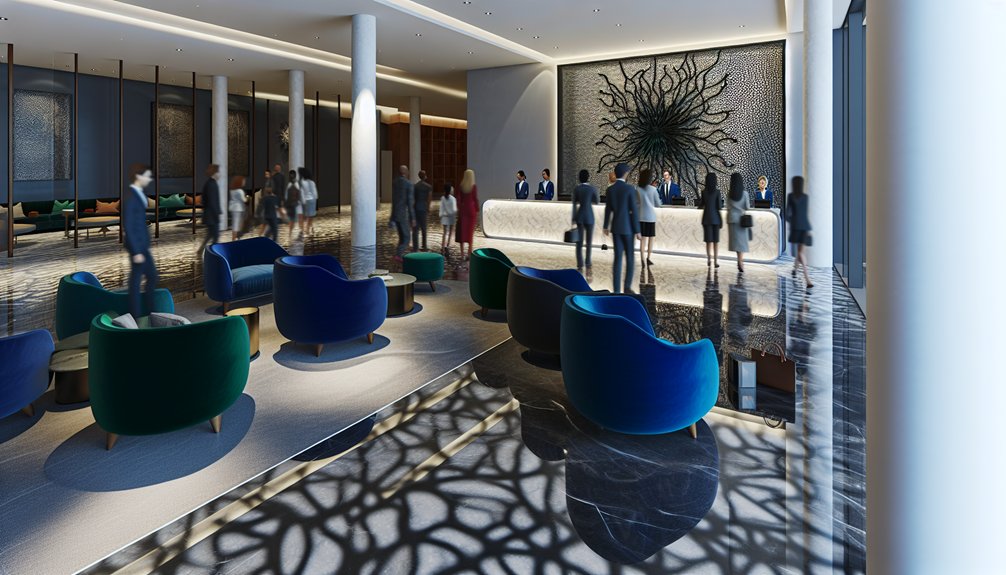
You’re likely noticing branded hotels gaining traction as they embrace adaptability and consistent quality. Innovative strategies focus on personalized guest experiences, rivaling Airbnb by incorporating boutique and themed offerings. Leveraging technology, hotels provide tailored services and foster a sense of community among travelers. Loyalty programs and data insights enhance satisfaction and boost repeat bookings. As branded hotels redefine industry standards, you’ll explore how these shifts are transforming market valuations and elevating guest interactions.
Key Takeaways
- Branded hotels leverage strategic adaptability and consistent quality to enhance their market value.
- Personalized experiences and unique offerings differentiate branded hotels from traditional competitors like Airbnb.
- Advanced technology, including CRM systems and smart room tech, boosts guest satisfaction and engagement.
- Robust loyalty programs with data analytics foster repeat bookings and increase customer retention.
- Experiential and community-focused stays align with the experience economy, attracting authenticity-seeking travelers.
Understanding the Rise of Branded Hotels
As the accommodation market becomes increasingly competitive, branded hotels are experiencing a notable surge in value, largely due to their strategic adaptability and commitment to consistent quality. You’ll notice that these hotels leverage innovative marketing strategies to enhance guest experiences, thereby capturing a larger market share. By incorporating elements typically associated with Airbnb hosts, such as personalized interactions and unique offerings, branded hotels are redefining industry standards. They use technology to deliver rich content and tailored services, ensuring that you feel valued and connected. Recent market analyses confirm that their ability to adapt to shifting consumer expectations, combined with robust loyalty programs, is key to their rising prominence. This strategic evolution positions branded hotels as formidable contenders in the hospitality landscape.
Embracing Unique and Personalized Offerings
Although competition from platforms like Airbnb challenges traditional accommodations, branded hotels are embracing unique and personalized offerings to stand out. They’re not just providing a place to stay; they’re curating experiences that reflect local culture and cater to niche markets. By integrating unique accommodations like boutique hotels and themed resorts, they attract guests seeking personalized experiences. Technology integration plays a vital role, enabling hotels to analyze data and tailor services to individual preferences. This shift aligns with the rise of the “experience economy,” where authenticity and memorable interactions are paramount. Partnering with local businesses enhances community engagement, offering guests a deeper connection to their destination. In this way, branded hotels create a sense of belonging, reminiscent of Airbnb’s appeal.
Leveraging Technology for Enhanced Customer Interactions
When it comes to enhancing customer interactions, branded hotels are at the forefront by harnessing the power of technology. They’re leveraging advanced CRM systems to dissect guest preferences, ensuring personalized service that resonates with you. With mobile app integration, you can check in, access your room, and communicate seamlessly with staff, streamlining your experience. AI-driven chatbots stand by 24/7 to swiftly address inquiries, elevating engagement and satisfaction. Meanwhile, smart room technologies, powered by IoT devices, allow you to customize ambient settings like lighting and temperature via your smartphone, crafting a stay that’s uniquely yours. By merging these technological advancements, branded hotels not only boost value but also foster a sense of belonging and community among their guests.
Redefining Guest Experiences Beyond Traditional Stays
Branded hotels are redefining guest experiences by stepping beyond the confines of traditional stays, driven by the rising tide of the “new luxury” trend within the experience economy. They’re focusing on unique guest experiences that cater to your desire for personalization and memorable interactions. By integrating innovative design concepts and communal spaces, these hotels foster community among guests, boosting satisfaction and loyalty. Experiential offerings—such as curated local activities and partnerships with local businesses—set them apart, attracting travelers who crave authenticity. Data-driven personalized services, leveraging predictive analytics, enhance your satisfaction and loyalty. Meanwhile, evolving loyalty programs provide customized rewards, transforming stays into immersive journeys. This strategic pivot aligns with modern travelers’ preferences, ensuring you feel part of an exclusive community.
The Role of Authentic Experiences in Traveler Preferences
As the travel industry evolves, authentic experiences are emerging as a pivotal factor in shaping traveler preferences. You now prioritize personalized stays that align with the rising experience economy, often turning to options like Airbnb. This platform excels by integrating personalization, localness, and ethical consumerism, meeting your desire for genuine connections and unique adventures. The hotel industry faces a challenge: to adapt or risk being outperformed. With 70% of consumers willing to pay more for experiences over material goods, the shift is clear. You value escapism, education, and entertainment, seeking more than just a place to stay. To thrive, hotels must rethink their offerings, embracing the “new luxury” trend centered on authenticity and memorable experiences.
Building Community and Memorable Interactions
Although the hospitality landscape is rapidly changing, branded hotels are successfully adapting by focusing on building community and creating memorable interactions. By redesigning communal spaces, like Sheraton’s recent makeover, they enhance guest experiences and foster a sense of belonging. The experience economy drives this shift, prioritizing experiential authenticity over traditional offerings. This approach aligns with evolving traveler preferences, where you, as a guest, seek unique stays resonating with personal values. Research shows that accommodations emphasizing community and experiential authenticity attract more travelers. Hotels utilize technology for personalized communication, spotlighting staff to deepen connections. These strategies create positive emotions and foster brand loyalty, proving that memorable interactions and community are key to thriving in the modern hospitality landscape.
Increasing Brand Loyalty and Market Valuations
When analyzing the hospitality sector, it’s clear that enhancing brand loyalty is pivotal to driving up market valuations for branded hotels. By focusing on personalized experiences, these hotels cater to the 68% of travelers who prefer tailored services. This strategic emphasis on guest satisfaction not only fosters customer loyalty but also results in substantial revenue increases—some hotels report up to 20% growth year-over-year.
Loyalty programs are evolving with data analytics, predicting guest preferences and boosting repeat bookings by 30%. Additionally, investments in unique guest experiences, highlighting local culture, have raised customer satisfaction ratings by 25%. Technology integration, like mobile check-ins and personalized communication, has further increased guest satisfaction by 15%, solidifying brand loyalty and enhancing market valuations.
Conclusion
You’ve seen how branded hotels are transforming the hospitality landscape by embracing personalization, technology, and authentic experiences. As the adage goes, “the proof of the pudding is in the eating,” and the data shows that these strategies are boosting brand loyalty and market valuations. By redefining guest experiences and fostering community, branded hotels aren’t just keeping pace with platforms like Airbnb—they’re setting new industry standards. Keep an eye on this trend; it’s only growing stronger.